
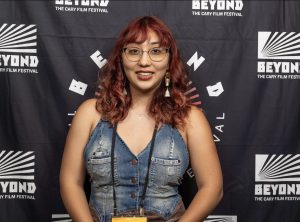
From independent narrative films to productions involving major names in music and entertainment, Los Angeles-based Production Designer Angelica Figueroa is building a career around the art of visual storytelling.
Every film creates a world.
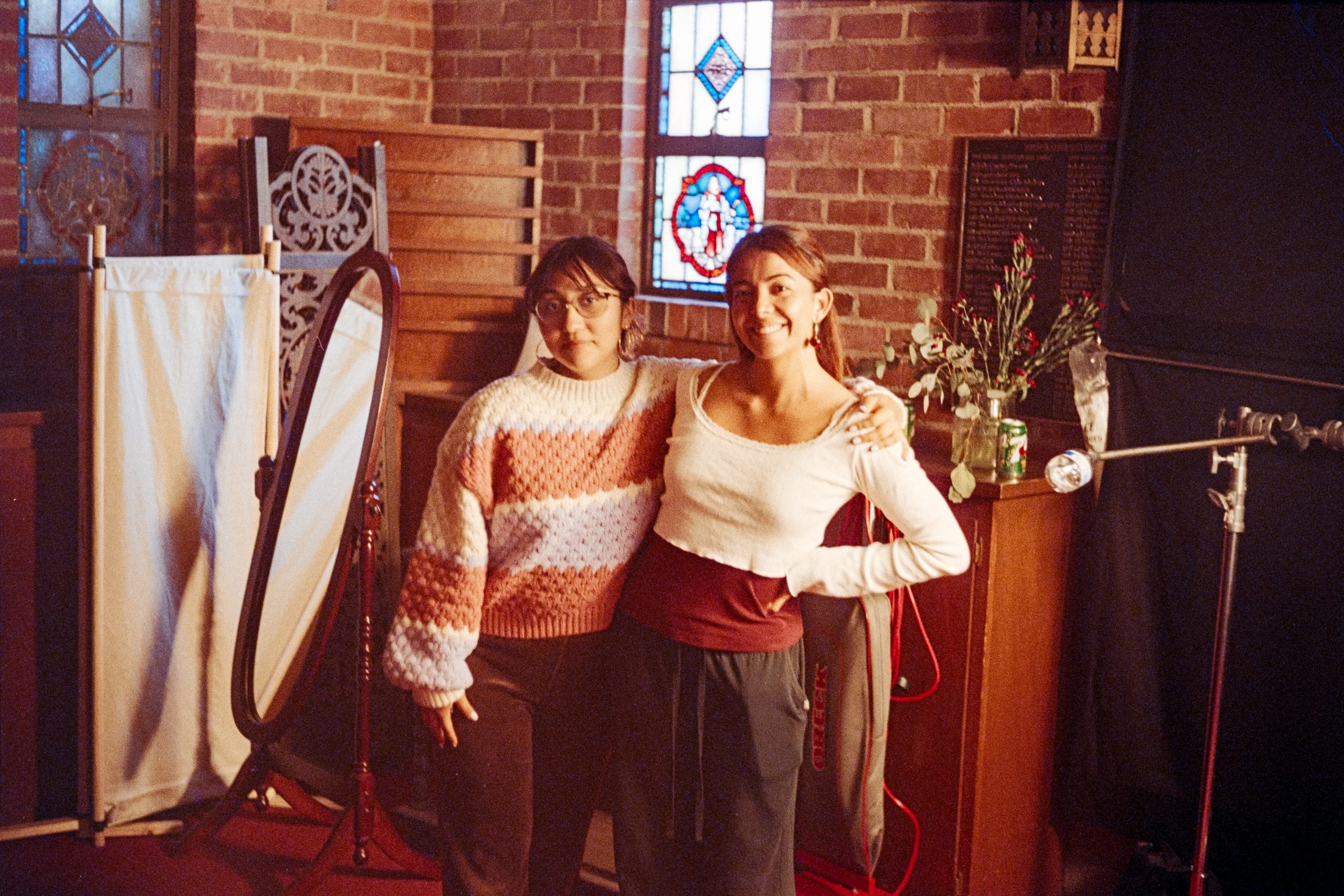
Sometimes that world is elaborate and impossible to miss. Other times, it is a bedroom, an office, a restaurant or a seemingly ordinary home. But behind those spaces are hundreds of decisions that help determine what an audience understands about the story and the people living inside it.
For Angelica Figueroa, making those decisions has become an increasingly important part of her career.
Originally from Morelos, Mexico, Figueroa is a Los Angeles-based Production Designer and Art Department professional whose work spans Production Design, Art Direction, Set Dressing and Prop Master roles.
After earning a BFA in Filmmaking from the New York Film Academy, she began building a body of work across narrative films, performance videos, promotional productions and independent projects. With each new production, her focus has increasingly moved toward Production Design and the challenge of establishing a complete visual identity for a story.
Among her recent projects is What a Valentine, starring veteran actor Jim Beaver, with Figueroa serving as Production Designer.
Currently in post-production, the film represents the kind of work that has become central to Figueroa’s creative development: taking the written world of a screenplay and determining how that world should physically exist on camera.
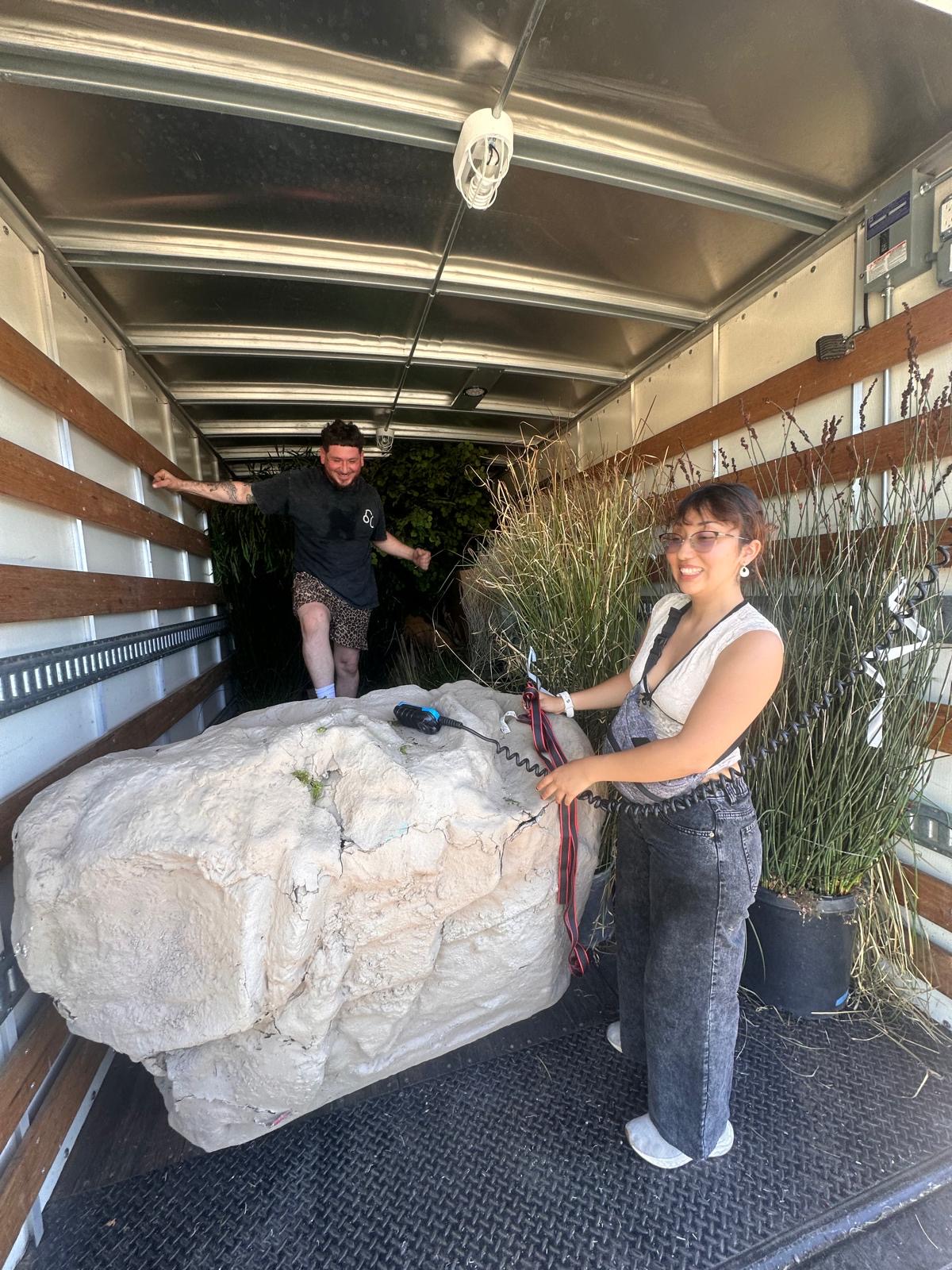
It is a process that begins long before the final set is ready.
Production Designers must consider character, tone, location, color, texture, props, furnishings and the practical realities of production. The challenge is not simply deciding what looks good. Every choice has to belong to the same story.
For Figueroa, that means approaching design from the perspective of character first.
A set can reveal things a character never says aloud. What someone owns, what they keep, how they organize their surroundings and even what appears worn, new, expensive or neglected can communicate information before a line of dialogue is spoken.
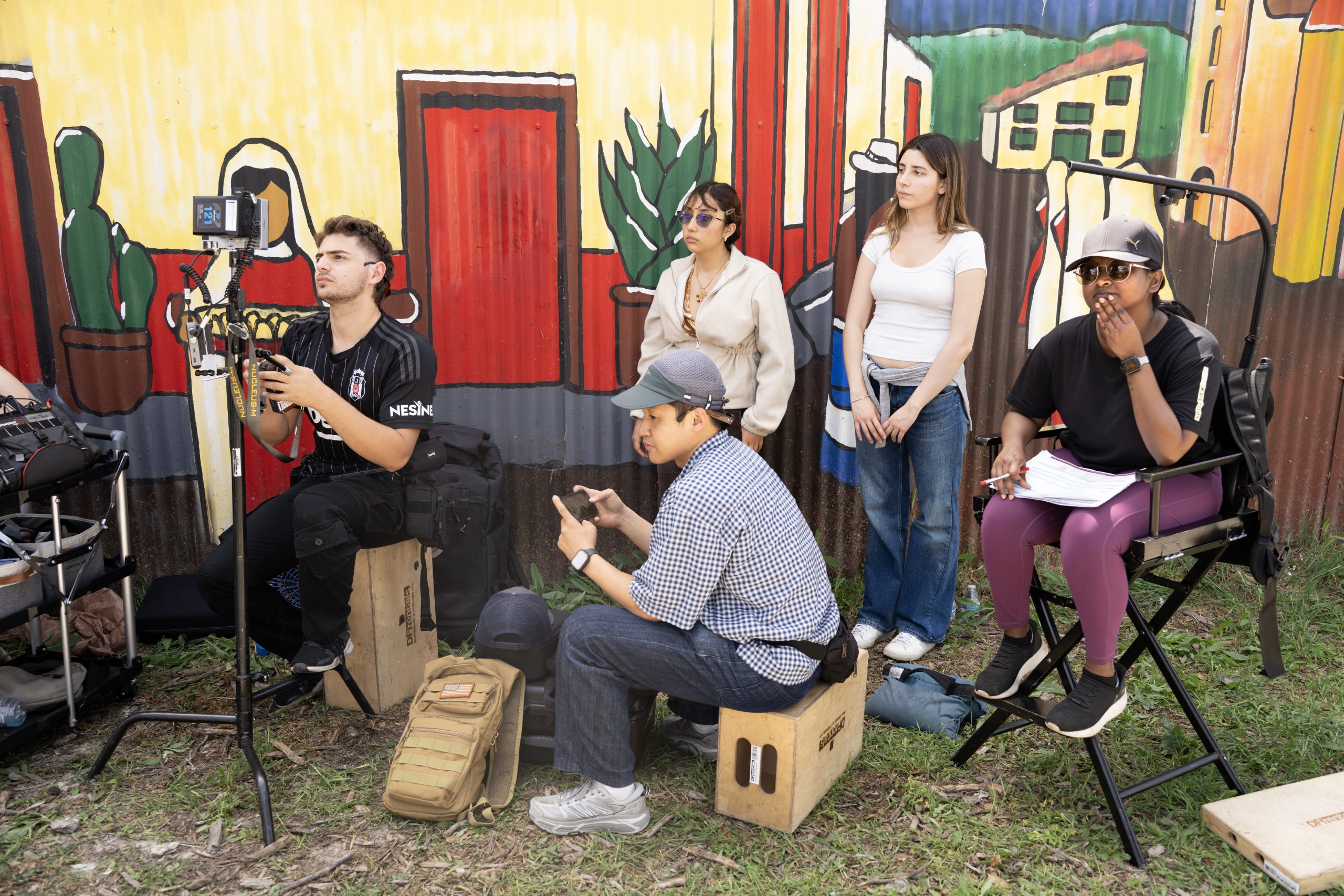
Figueroa has also served as Production Designer on Tamales, starring Virginia Novello, which is preparing for its upcoming festival release.
The project adds another narrative feature to a résumé that has allowed Figueroa to work in several different areas of the Art Department rather than approaching Production Design from a single discipline.
That range matters.
Before overseeing an entire visual environment, Figueroa developed hands-on experience with many of the individual elements that ultimately create one.
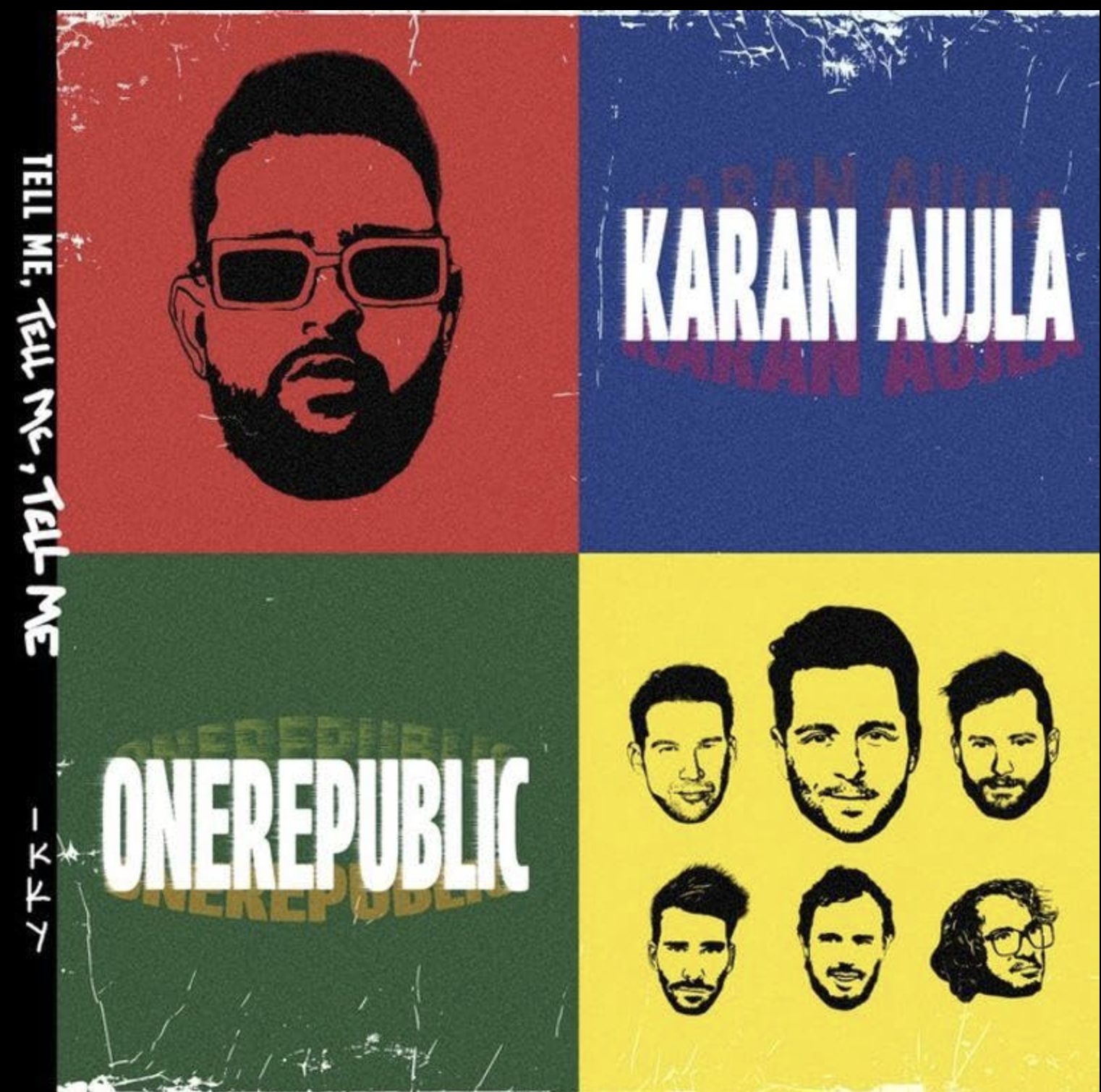
As a Set Dresser, she has contributed to productions including a Willow Smith performance video, a promotional project for Wild ’N Out, and the “Tell Me” project by OneRepublic and Karan Aujla.
Set Dressing requires an eye for the details that audiences may absorb without consciously noticing them. Objects have to appear naturally placed within an environment while still serving the visual direction established for the production.
Her work as a Prop Master has required another kind of precision.
On Oroboros, Figueroa worked with story-specific props, actor props, sourcing, practical pieces and breakable elements. Unlike background decoration, a prop can become an active part of a performance, meaning its appearance, construction and functionality may all become essential to a scene.
Figueroa has also demonstrated her ability to work within an entirely different visual period.
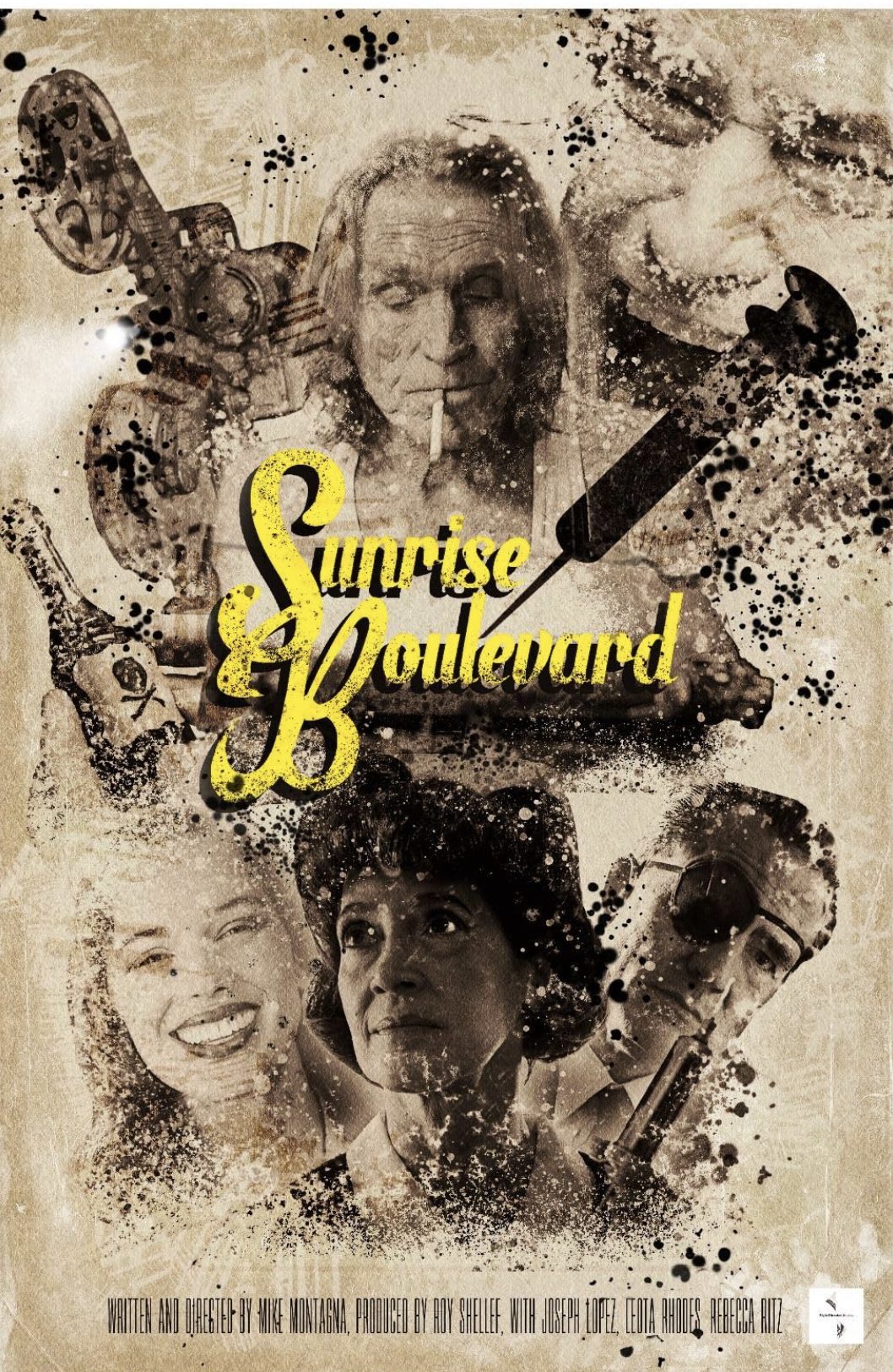
As Art Director on the 1955-set short film Sunrise Boulevard, she contributed to the creation of its period world through art direction, set dressing, props and sourcing.

The film became an official selection at the Burbank International Film Festival and received a nomination in the festival’s Production Design / Art Direction category, with Figueroa credited as Art Director.
Her additional Art Department credits include Canta Santiago, Ikigai and Rebel Flower(s).
Taken together, the projects reveal a career being built from the inside of the Art Department outward.
Rather than entering Production Design without experience in the individual disciplines beneath it, Figueroa has worked directly with sets, props, sourcing and art direction—the physical building blocks that ultimately determine what audiences see in the finished frame.
Her background also brings another perspective to that work.
Growing up in Morelos, Mexico, studying filmmaking and ultimately working in Los Angeles has exposed Figueroa to different environments, cultures and visual references. For a designer, those experiences can become part of an expanding creative vocabulary.
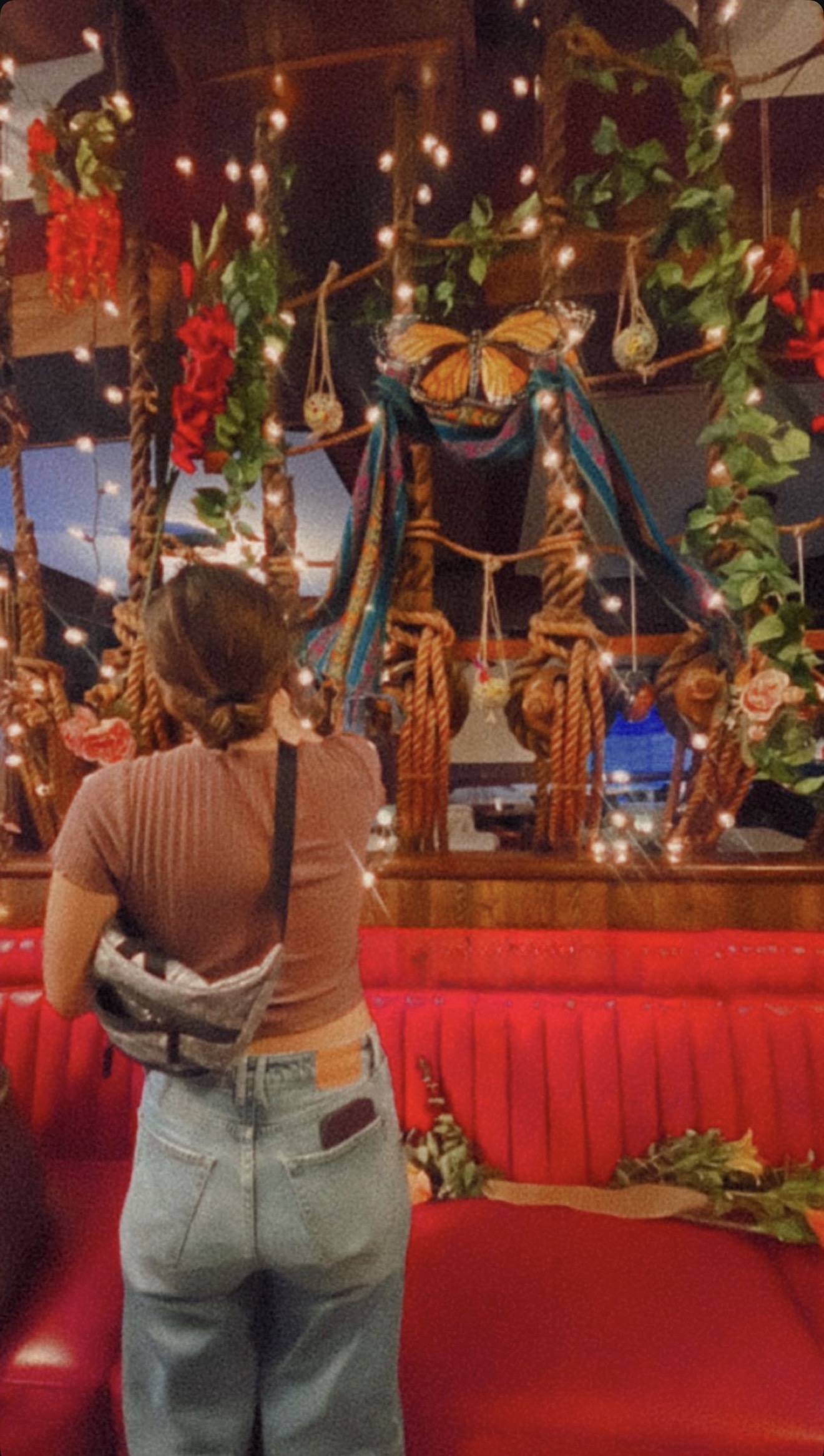
But regardless of the size or style of a production, her central objective remains the same: the design has to serve the story.
The most successful Production Design doesn’t necessarily call attention to itself. Sometimes its greatest accomplishment is making an invented environment feel so authentic that the audience never questions it.
As What a Valentine moves through post-production and Tamales prepares for its festival release, Angelica Figueroa continues expanding the Production Design side of her career while drawing on the practical Art Department experience that helped get her there.
Actors bring characters to life.
Writers give them words.
And artists like Angelica Figueroa create the worlds in which those characters can exist.